
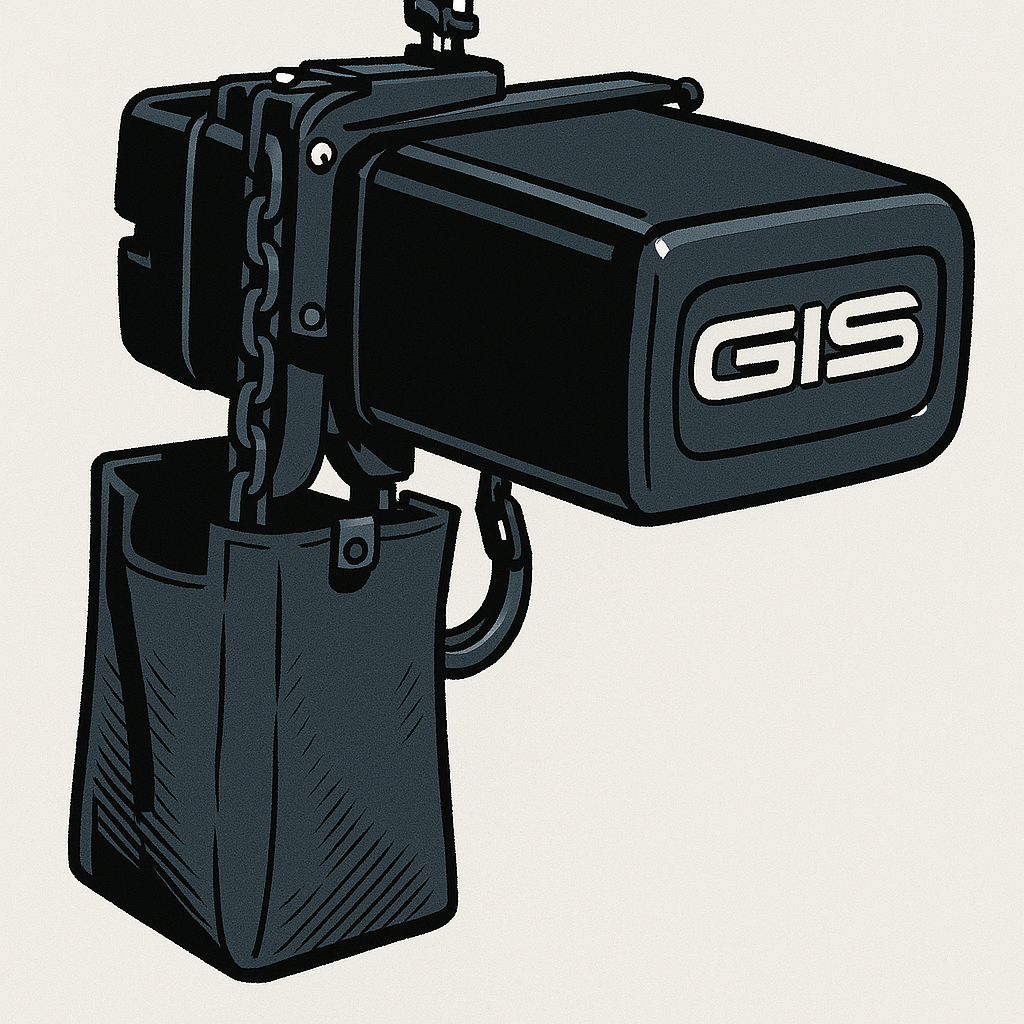
Stage hoists – standards, specifications and safety in theatre environments
Stage hoists are an essential part of the stage technology of theatres and event venues. They are used, among other things, to lift sets, lights and even performers safely and precisely. The use of stage hoists differs significantly from industrial hoists – especially in terms of continuous movement, noise reduction and visual effects. Safety and quality requirements are strict and are based on a number of international standards. The specifications that have long prevailed for stage hoists are still firmly in use: hoists according to D8, D8+ and C1 are requested and referred to, and designs specify hoist properties according to them.
Standards and regulations
Special standards for stage hoists set them apart from industrial lifting equipment. The most important standards and guidelines are:
EN 17206 (2020) – “Entertainment technology – Machinery for stages and other production areas”
- The most important current European standard on the safety of machinery intended for stage use.
- Defines requirements for, among other things, loading, emergency stop functions, limit switches and control systems.
- Emphasises duty classes, levels of monitoring and the prevention of hazardous situations, even during performances.
EN 60204-32 – “Electrical equipment of machines – Requirements for hoisting machines”
- Relates to the safe design and installation of the electrical systems of stage hoists.
BGV C1 (formerly VBG 70) – The old German standard
- A German occupational safety regulation that was long the main source of safety requirements for theatre hoists before the EN 17206 standard.
- Emphasised fail-safe design and double safety for load-bearing structures.
- BGV C1 long served as the basis for many manufacturers’ requirements and is still widely known and used in certain theatres for older systems.
- Classes D8, D8+ and C1
Special requirements for stage hoists
- Quiet and vibration-free operation – important during performances
- Precise positioning and adjustability – sets and effects need centimetre-level movement
- Double safety – wire ropes, chains, brakes
- Emergency stop and manual operation – a power failure must not cause danger
- Programmable logic (PLC) – enables choreographed movements
- Safety rating – categories according to the standards (e.g. Performance Level d or e)
Duty classes and types of use
EN 17206 defines different duty classes for stage hoists based on the amount of use and loading:
| Class | Description | Example |
|---|---|---|
| DC1 | Light use, only during preparation | Hanging sets without movement during the performance |
| DC2 | Occasional movement during the performance | Light lifting movement during the performance |
| DC3 | Repeated use in performances | Heavier use with sets or lights |
| DC4 | Intensive and show use | Automated stage mechanisms in professional theatres |
Safety first – why standards are essential
A malfunction of stage hoists can lead not only to technical problems but also to danger to people. That is why, in their design and use:
- Ordinary industrial hoists must not be used in performance situations without approved modification.
- All control systems must be designed with people’s safety first.
- Regular inspections and servicing are required by law – often annually or even more frequently.
Safety levels according to EN 17206
EN 17206 (2020) defines several safety classes (Control Classes):
| Class | Operating environment | Corresponds to old BGV… |
|---|---|---|
| 1 | No people underneath, no continuous loading | D8 |
| 2 | Load remains suspended, no movement above the audience | D8+ |
| 3 | Movements above the audience, to a limited extent | Partly C1 |
| 4–5 | Full use above the audience (dynamic) | C1 |
Technical requirements compared
| Feature | BGV D8 | BGV D8+ | C1 | EN 17206 (depends on class) |
|---|---|---|---|---|
| Second brake | ❌ | ✅ | ✅ | ✅ in classes 2–5 |
| Safety equipment | Minimal | Improved | High | Clearly defined |
| Load monitoring | Not required | Limited | Precise monitoring | Required at C1 levels |
| Testing requirements | Light | Moderate | Comprehensive | Defined |
| Operating environment | Service areas | Set building | Public events | General use in entertainment technology |
So, in the simplest terms
BGV D8: The lightest class, suitable for basic lifts with no risk to the audience.
BGV D8+: Lifts above the audience are permitted statically without additional safety measures.
C1: Professional-level safety, allows movement above the audience. Used in concerts and theatres, among others.
EN 17206: A modern and comprehensive standard that replaces and extends the BGV classifications. It allows the risk level to be selected precisely for each project.
Summary
Stage hoists form a specialist field of their own in lifting technology. Their design and use must take into account both artistic and technical requirements. EN 17206 is the current main standard, alongside which the old BGV C1 offers a valuable perspective on historical development and safety culture. Complying with the standards ensures that performances can run seamlessly – without compromising on safety.


