
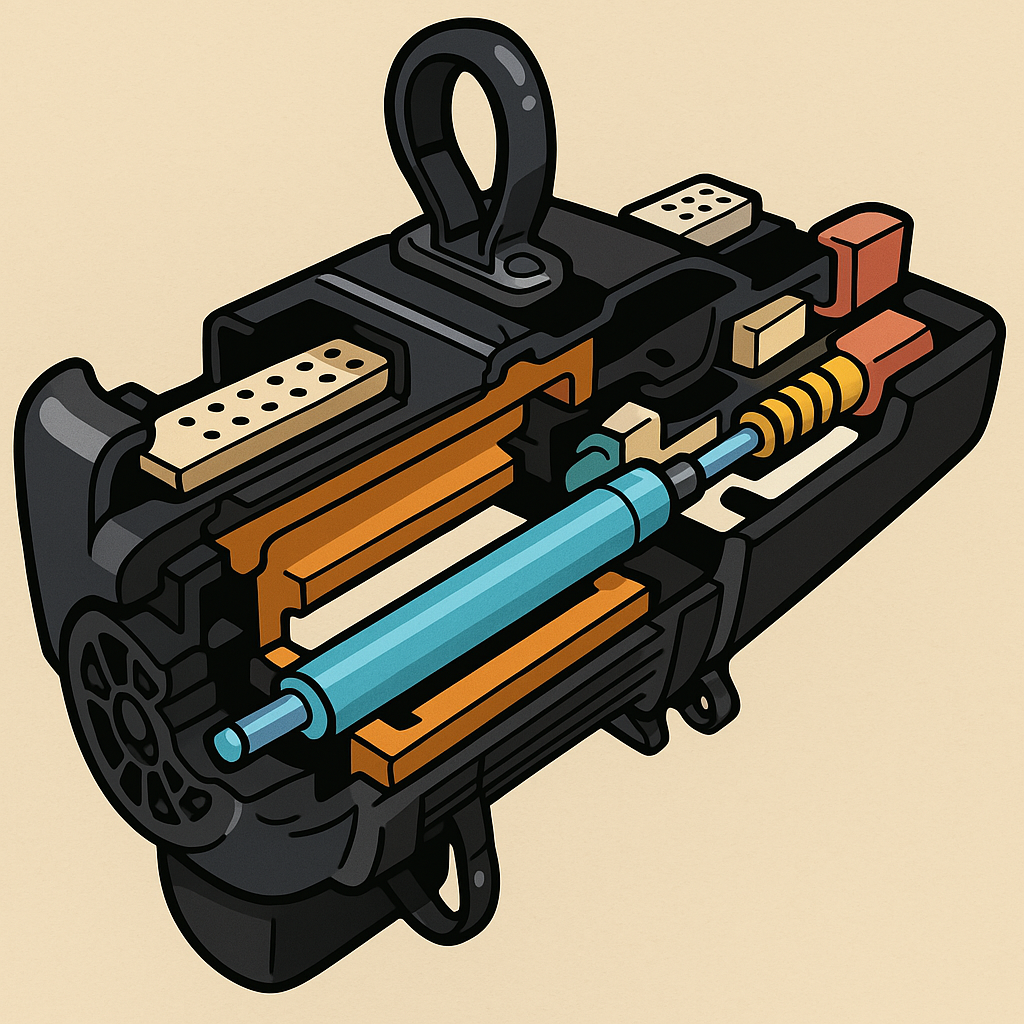
Cranes and lifting aids are key machines in many industries, such as construction, ports and logistics. The safe and reliable operation of these devices is important so that work can be carried out efficiently and safely. To ensure this, periodic inspections and servicing of cranes and lifting aids are absolutely essential.
Safe use of these devices requires regular inspection and servicing, because damage or poorly functioning parts can lead to serious accidents or faults that interrupt work.
Inspections and servicing are mainly carried out either by the user, by a trained person, i.e. an expert, or by an inspector.
In practice, the user checks every time the device is taken into use that there are no obvious faults, the safety devices work and the device is ready for use. The expert checks the operation and servicing of the device in more detail, and finally the inspector keeps a record of the device’s condition throughout its service life and verifies that it works.
The servicing and inspection cycle depends on the operating conditions and the amount of use. If the device is in very heavy use, the inspection and servicing interval may have to be shortened to a few months.
The purpose of periodic inspections
Periodic inspections are regular inspections of the equipment that ensure it meets the requirements for safety and working condition. The objectives of periodic inspections are:
Ensuring safety: The safety of cranes and lifting aids is the top priority. Faulty or poorly maintained devices can cause serious accidents.
Extending the service life of equipment: Regular inspections and servicing ensure that the devices remain in working order for a long time, which can prevent expensive repairs and equipment purchases.
Compliance with legislation: In Finland, periodic inspections of cranes and lifting aids are required by law. For example, the Occupational Safety and Health Act and ministry decrees define the requirements and time limits for inspections.
Contents of a periodic inspection
Several key areas are checked during a periodic inspection:
Structural inspection: Ensuring that the device has no visible damage or cracks that could weaken its strength and safety.
Inspection of the drive mechanisms: Checking the crane’s movements, such as the lifting chains, hoists and beams, making sure they move smoothly and without obstruction.
Inspection of electrical systems and hydraulics: Inspecting the electrical and hydraulic systems ensures that the crane works flawlessly and a fault-free power supply is secured.
Comprehensive test runs and operational tests: Testing the performance of the crane or lifting aid under load and verifying that all functions are normal.
Servicing – preventive maintenance
In addition to periodic inspections, preventive maintenance is an essential part of maintaining cranes and lifting aids. Servicing can be either general servicing (such as lubrication and checking parts) or special servicing, which addresses damaged parts of the equipment and carries out the necessary repairs.
Servicing measures can include, for example:
Oil changes and lubrication: The moving parts of cranes need regular lubrication to work flawlessly and to prevent wear.
Replacing and repairing parts: If the inspection reveals wear or damage, the necessary parts are replaced or repaired to keep the device in working order.
Servicing of the hydraulic system: The hydraulic system of cranes requires special attention. Preventing leaks and maintaining fluid levels are key.
Checking the electrical system: Making sure the device has no electrical faults that could affect the operation or safety of the crane.
Legislation and regulations
In Finland, the inspection obligations for cranes and lifting aids are determined by the Occupational Safety and Health Act and the related decrees. The Occupational Safety and Health Act obliges the employer to ensure that all lifting equipment in use is inspected and serviced at regular intervals.
Inspection and servicing regulations may vary depending on the type and purpose of the device. In general:
Periodic inspections of cranes must be carried out at least once a year.
Cranes requiring special inspection or servicing, such as heavily stressed cranes, may need more frequent inspections.
Summary
Cranes and lifting aids are a key part of many industries, and their maintenance is extremely important both for the safety of workers and for the longevity of the equipment. Periodic inspections and servicing not only meet legal requirements but also ensure the reliable and safe operation of the device. It is therefore important to invest in these measures in good time and regularly.
For lifting aids, see also design and manufacture of lifting aids, which brings together different solutions for customer-specific lifts.


